In this guide
- Start with an accurate description of the home
- Compare the coverage limits and valuation method
- Translate every deductible into dollars
- Identify the exclusions that matter to your property
- Build a side-by-side worksheet
- Understand the insurer and placement arrangement
- Compare total cost and the cost of changing your mind
- Confirm what happens before and after binding
- Test the offers against realistic loss scenarios
- Record the reasons behind your choice
- Frequently asked questions
- Sources and further reading
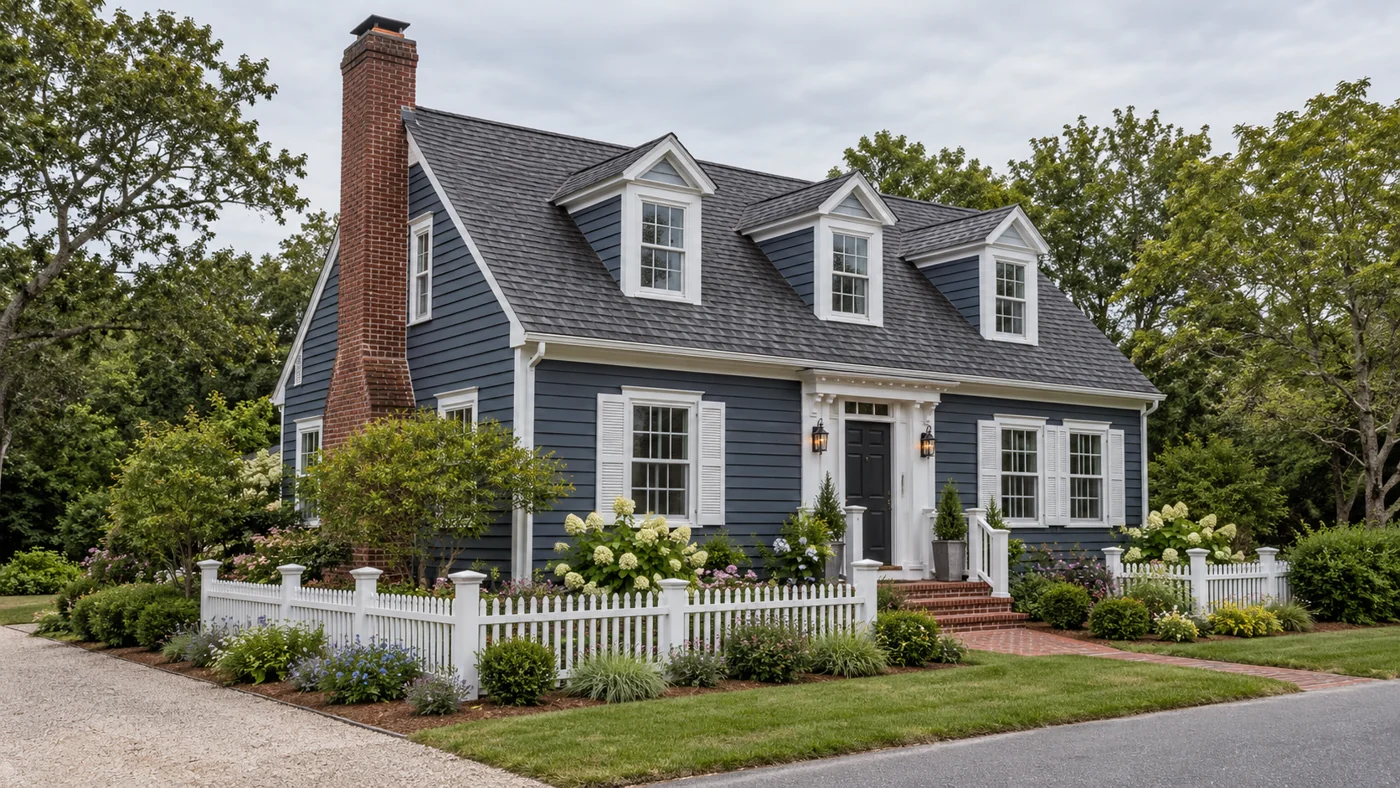
Compare surplus home insurance quotes by the protection they provide, not just the annual premium. For a North Carolina home, review the insured property and occupancy, covered causes of loss, roof settlement, wind and flood arrangements, deductibles, exclusions, total charges, and the steps required to make coverage effective.
Finding a quote after several declines can be a relief. It is still worth slowing down long enough to understand what the offer actually covers. Two proposals with similar dwelling limits may respond very differently to a roof claim, hurricane loss, water damage, or a change in occupancy.
You do not need to interpret every policy sentence alone. A useful comparison turns your questions into written answers, identifies missing documents, and separates terms already offered from changes the agent still needs to request. This guide provides a practical worksheet for North Carolina homeowners without assuming that every insurer uses the same rules.
Start with an accurate description of the home
Before comparing insurers, make sure both are evaluating the same property. Confirm the address, year built, square footage, construction, roof material and age, heating, prior losses, and current condition. A quotation based on an inaccurate roof date or occupancy can change when documents or an inspection arrive.
Describe who lives there and how the home is used throughout the year. A primary residence, seasonal coastal house, mountain cabin rented to guests, and vacant renovation project present different exposures. Tell the agent about business activity, detached buildings, solar equipment, pools, and any scheduled construction. Do not assume a residential address makes every use acceptable.
Create a single factual summary to send with each request. Include the date your current coverage ends and whether a lender or closing attorney needs evidence by a particular deadline. Ask what additional information remains outstanding. Keeping the submissions consistent makes differences between the resulting quotes easier to understand.
Compare the coverage limits and valuation method
The dwelling limit should reflect the proposed cost of rebuilding the insured structure under the policy terms. It is not simply the purchase price, outstanding loan balance, tax assessment, or land value. Ask how the estimate was developed and whether custom finishes, difficult access, debris removal, and local construction conditions were considered.
Look separately at other structures, personal property, loss of use or rental income, liability, and medical payments. A low premium may reflect a smaller contents limit or a coverage that was not included. Ask whether limits are shared, subject to sublimits, or available only by endorsement.
Replacement cost, actual cash value, and scheduled payment provisions can produce different claim outcomes. Check the dwelling, contents, and roof individually rather than assuming one settlement method applies everywhere. Ask whether replacement cost requires repair or replacement within specified conditions and whether an initial payment may include depreciation. Record the answer alongside the relevant policy form.
Translate every deductible into dollars
A quote can contain an ordinary deductible plus separate wind, hail, named storm, or hurricane provisions. Read the definition and triggering event for each one. Similar labels do not necessarily mean the same trigger, geographic application, or calculation base.
Hypothetical example: if a deductible is 2 percent of a $400,000 dwelling limit, that calculation produces $8,000. This example is not a North Carolina required deductible or an offered quote. Your actual provision may use another percentage, limit, minimum, or calculation. Ask the agent to calculate the amount using your proposal.
Find out whether a deductible applies per occurrence, per building, or under another stated arrangement. Then consider whether you could fund the amount promptly after a loss. A lower annual premium can be worthwhile, but only if the retained expense fits your budget. Compare the same loss scenario under each proposal instead of comparing percentages without their underlying dollar amounts.
Identify the exclusions that matter to your property
Read the exclusions and endorsements before accepting a proposal. Focus on the risks that caused your original insurer to decline or nonrenew the home. An older roof, previous water losses, or coastal exposure may be handled through a deductible, reduced settlement, exclusion, inspection condition, or outright underwriting restriction.
For North Carolina properties, ask explicitly about wind and hail, flood, and water entering from different causes. Do not treat a hurricane as one coverage category. Wind damage, storm surge, surface water, and water entering through an opening can raise different policy questions. A separate flood policy and, in some arrangements, separate wind coverage may need coordination.
Also ask about sewer or drain backup, service lines, ordinance or law, mold-related limitations, theft during vacancy, and short-term rental activity when relevant. You do not need every optional endorsement, but you should know which material exposures remain your responsibility. See our coverage exclusions guide for a more detailed review.
Build a side-by-side worksheet
Use one row per issue and one column per quotation. Enter actual terms rather than writing “included” without a limit or form reference. If a question is unanswered, mark it as unresolved and request clarification before treating the offers as equivalent.
A short written worksheet is particularly helpful when a lender, spouse, property manager, or co-owner participates in the decision. It also creates a useful record for renewal. Save the dated proposal and the endorsements used for the comparison, because revised quotes can change both price and coverage.
| Compare | What to record | Why it matters |
|---|---|---|
| Dwelling and contents | Limits and settlement basis | Similar limits can pay differently |
| Roof and wind | Forms, exclusions, deductible dollars | Storm costs may fall partly on you |
| Flood | Separate policy or stated arrangement | Do not assume the home quote includes it |
| Conditions | Inspection, repair, payment deadlines | The initial offer may be conditional |
| Total cost | Premium, taxes, fees, installments | Premium alone is not the full expense |
Understand the insurer and placement arrangement
Confirm the legal name of the insurer taking the risk. The retail agency, wholesale broker, managing general agent, and insurer may have different names and roles. Ask who issues the evidence of insurance, handles policy changes, collects payments, and receives claims. Keep that contact map with your policy.
Surplus coverage is a different market from admitted insurance. Ask the producer to explain the placement, applicable notices, insurer eligibility, and the implications of nonadmitted status. Do not assume that a familiar brand or an insurer rating replaces review of the actual coverage form. Ratings and eligibility should be checked when the placement is considered.
The North Carolina Department of Insurance is a starting point for official consumer information. This build does not certify an individual carrier, producer, or agency appointment. Ask for the relevant verified information for your particular proposal.
Ask whether the insurer name on the quote will be the same entity shown on the issued policy. If another entity appears, request an explanation before accepting the documents as a match. Also distinguish an insurer’s financial-strength assessment from the solvency protections associated with a particular market. These are separate questions. Keep the date of any rating or eligibility verification because the information can change, and ask the producer which resource was used for the current placement.
Still looking for a workable option?
An older roof, a nonrenewal, or a difficult property does not tell the whole story. Share the details so your available options can be evaluated.
Standard-market options are reviewed first. A request is an inquiry, not an offer or confirmation of insurance. Coverage is subject to underwriting.Compare total cost and the cost of changing your mind
Request an itemized amount showing premium, applicable tax, policy or broker charges, inspection charges if any, and payment-plan costs. Ask which amounts are refundable, which may be earned when coverage begins, and what cancellation calculation the contract uses. Do not infer refund terms from a monthly installment amount.
Premium financing is a separate arrangement that deserves its own review. Ask for the down payment, payment schedule, finance charges, late-payment consequences, and cancellation provisions. Make sure the person responsible for paying the lender or finance company understands the deadlines. A mortgage escrow account does not automatically settle every billing obligation.
Compare cost across the full proposed term. If one quote covers a different term or excludes a separately purchased policy, adjust the worksheet so you are comparing the same period and package. An apparent saving can disappear when separate wind or flood coverage is added. Conversely, a more expensive offer may include meaningful protection you would otherwise need to arrange.
Confirm what happens before and after binding
Ask what must happen for the insurer to accept the risk and what evidence will confirm the effective date. A submitted form, requested quote, paid invoice, or verbal conversation should not be treated as proof of coverage without the appropriate written confirmation. Coordinate timing with the current policy and any closing requirement.
Review inspection conditions and repair deadlines carefully. If a proposal assumes a roof replacement or electrical update, state whether that work is already complete or only planned. Ask what happens if inspection findings differ from the application or a contractor cannot meet the deadline. Keep all responses in writing.
When the policy arrives, compare its declarations and endorsements with the accepted quote. Report discrepancies promptly. Retain the application, binder or other evidence, policy, payment record, and comparison worksheet together. That organized record supports a calmer renewal discussion and gives you a starting point if you later need to understand a claim decision.
Test the offers against realistic loss scenarios
Use a few scenarios tied to your own property. For a coastal house, ask what happens if wind damages the roof and water also enters from rising surface water. For a rental, ask about a fire followed by an extended interruption of rental income. For an older residence, ask how required rebuilding changes would be evaluated.
Keep these discussions hypothetical. The agent cannot promise the outcome of a future claim without the actual facts and controlling policy. The purpose is to identify which contract would respond, which deductible or exclusion might matter, and which question needs further underwriting clarification.
Write down the policy section associated with each explanation. This prevents a helpful sales conversation from being mistaken for an endorsement. If a requested coverage is unavailable, decide consciously whether to retain the exposure, seek another proposal, or change the property’s use or condition. The right comparison ends with understood choices, including limitations that cannot be removed.
Record the reasons behind your choice
After reviewing the offers, write a short decision note. Identify the protections you prioritized, the deductible you can manage, any uncovered exposure you accepted, and the remaining conditions. This is especially useful when several people own the property or different family members handle insurance and household finances.
Keep the note factual. “Selected because roof settlement met our needs” is more useful than “best coverage,” which does not explain what was compared. Attach the actual documents and identify their dates. Ask for clarification if a revised proposal changes the basis for the choice.
At renewal, revisit those priorities. A new roof, change in occupancy, or different cash reserve can alter the tradeoff. Your earlier worksheet should help you ask better questions, not lock you into last year’s decision. For assistance, bring the comparison and any unresolved items to the agent rather than starting again with only the premium amount.
Frequently asked questions
Is the lowest surplus quote the best choice?
Not necessarily. Compare the insured risks, limits, settlement methods, deductibles, exclusions, and conditions first. A lower price may be appropriate for your priorities, but you should understand the protection or financial responsibility that changes with it.
Can two quotes show replacement cost but treat my roof differently?
Yes, the roof may be subject to a separate endorsement, schedule, deductible, or settlement condition. Ask which wording controls the roof specifically and obtain that form with the proposal. Do not rely solely on a general replacement-cost label.
Does a North Carolina coastal home quote automatically include flood?
Do not assume it does. Ask how flood is addressed and review any separate flood proposal. Also confirm wind coverage and deductible terms. Coastal exposure can require coordination among several documents, even when one agent helps arrange them.
Should I cancel my existing policy as soon as I receive a quote?
A quote alone is not enough. Establish when replacement coverage is effective and obtain appropriate written evidence before coordinating cancellation. Ask both providers about timing and refund terms so that a transition does not create an unintended gap.
What if I cannot understand an exclusion?
Ask the agent to identify the controlling form and explain a realistic loss scenario in writing. For a major unresolved issue, seek additional professional advice before deciding. A plain-language explanation should accompany the policy wording rather than replace it.
Can my mortgage company reject a policy that I prefer?
Your lender may have insurance requirements concerning limits, deductibles, insurer acceptability, or evidence of coverage. Provide the proposed documents early and request written confirmation of acceptability. Meeting a lender requirement and meeting your personal protection goals are separate reviews.
A clearer next step for your home.
Bring your coverage questions, property details, and deadline. Start a conversation about the options that may fit your situation.
Standard-market options are reviewed first. A request is an inquiry, not an offer or confirmation of insurance. Coverage is subject to underwriting.Sources and further reading
Official resources consulted for this guide. Program eligibility and policy wording can change; confirm the current requirements for your property.
Last source check: 2026-10-30. This guide is general information, not a coverage determination. Read our editorial standards.