In this guide
- Start with the correct construction description
- Read the form before comparing the premium
- Valuation can matter as much as the limit
- Separate wind, flood and other water questions
- Occupancy and ownership must match the application
- Older roofs and property condition need evidence
- Evaluate surplus options and the full cost
- Prepare a practical application packet
- Keep the policy useful after purchase
- Frequently asked questions
- Sources and further reading
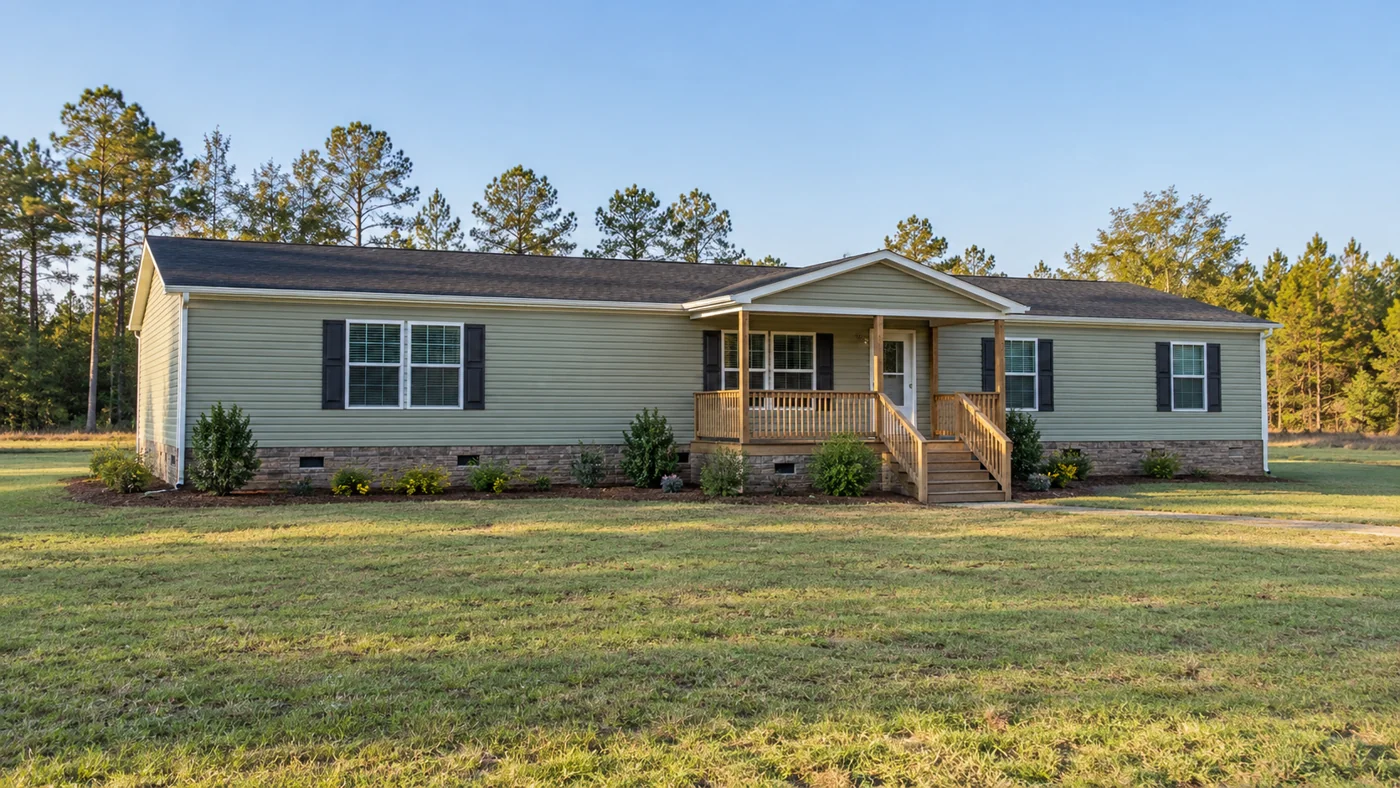
A manufactured home can have meaningful insurance options even when a familiar company declines it. In North Carolina, compare the actual policy form, valuation, occupancy rules, wind coverage and flood provisions. A surplus quote deserves the same careful review as any other quote, with additional attention to the insurer’s nonadmitted status.
An older manufactured home, a rural address or a previous claim can make shopping frustrating. None of those details tells you, by itself, what every insurer will decide. A useful application explains how the home is built, where it is installed, how it is used and what has been improved. The goal is a clear match between the property and the contract.
This guide concerns manufactured and mobile homes in North Carolina. It does not assume that a modular home, recreational vehicle or park model belongs in the same insurance program. Confirm the classification before comparing prices. The name used in a real-estate listing may not be the description an underwriter needs.
Start with the correct construction description
A manufactured home has construction details an insurer may evaluate differently from a site-built house. Gather the manufacturer, model, year, dimensions, serial information and any available certification labels or documentation. Describe additions separately, including porches, decks, carports and enclosed rooms. Photos help show how additions connect to the original structure and whether they have independent supports.
Ask whether the insurer wants installation, foundation or tie-down documentation. Requirements vary; do not assume every company requires the same inspection. Explain whether the home is on owned land or a rented lot. If a park or landowner provides rules or an insurance requirement, send that document to the agent. A park’s insurance generally should not be treated as proof that your dwelling or belongings are insured.
A modular home can be classified differently. A vehicle used for travel can raise still different questions. Provide the paperwork and ask the proposed insurer to confirm the classification in writing when it is uncertain. This avoids discovering after a loss that the application described a different kind of property.
Valuation can matter as much as the limit
A dwelling limit is the ceiling shown for that coverage, not a guarantee that every covered loss produces that amount. The settlement language determines how covered damage is valued. According to the DOI manufactured-home guidance, physical damage is generally settled at actual cash value unless replacement-cost coverage is purchased. Read your specific proposal, especially when a proprietary surplus form is involved.
The DOI’s valuation explanation distinguishes depreciated value from the cost of replacement and notes that replacement-cost reimbursement may involve an initial payment followed by reimbursement after repair or replacement. Ask what documentation, time limits and eligibility conditions apply to your contract. Also ask whether a roof or other component has a separate settlement endorsement.
A purchase price can include land, location and other value that does not represent the cost of replacing the home. Conversely, an older home’s market value may not reflect installation, delivery, site preparation and related replacement expenses. Ask how the proposed limit was developed and which associated costs are inside it, outside it or excluded.
Separate wind, flood and other water questions
A home can be exposed to wind and flood during the same storm, but the policies may treat them differently. Confirm whether wind and hail are included in the primary policy and identify the applicable deductible. Read any named-storm endorsement rather than assuming it applies only when a hurricane makes landfall nearby. North Carolina wind exposure is not confined to beachfront property.
Do not automatically import the usual homeowners flood assumption into every manufactured-home form. The DOI homeowners FAQ notes that some mobile-home policies include flood coverage. That does not establish coverage for your quote. Ask whether flood is included, excluded or separately insured and obtain the wording, limits and deductible. A vague reference to water damage is insufficient.
Also distinguish plumbing leaks, sewer backup, rain entering through an opening, surface water and groundwater. These can lead to different answers. If separate flood coverage is proposed, review the building and contents limits, effective date and any waiting period. Do not assume a pending application protects the property during an approaching storm.
Occupancy and ownership must match the application
Tell the agent whether the home is your primary residence, a seasonal home, a long-term rental or a place rented to short-term guests. Explain any periods when nobody stays there. A home used by relatives without rent can still need a different underwriting description from the one an owner occupies every day. Disclose who owns the building and who owns the land.
If the dwelling belongs to an estate, trust or business entity, provide the legal ownership details and ask how insured names should appear. A policy issued only in an individual’s name may not address every ownership interest. The answer should come from the insurer’s requirements and the actual legal arrangement, not from a convenient abbreviation on an application.
Moving, renovation and vacancy deserve advance discussion. The DOI manufactured-home guide identifies transportation coverage as something to arrange before a move. Ordinary premises coverage should not be assumed to follow a home down the road. Confirm the entire sequence, including disconnection, transit, temporary storage, installation and the date regular coverage resumes.
Still looking for a workable option?
An older roof, a nonrenewal, or a difficult property does not tell the whole story. Share the details so your available options can be evaluated.
Standard-market options are reviewed first. A request is an inquiry, not an offer or confirmation of insurance. Coverage is subject to underwriting.Older roofs and property condition need evidence
An older roof is easier to evaluate when its age and condition are documented. Provide the installation date if known, the material, repair history and clear current photographs. If an inspection is available, include relevant findings and completed work. Do not guess an age simply to fit an application. An honest unknown accompanied by evidence is more useful than an unsupported number.
Address visible hazards such as loose steps, damaged railings, deteriorated siding, blocked access and unrepaired leaks. Improvements do not guarantee acceptance, but they give an underwriter information beyond a broad age category. Ask which items are required before coverage can begin and which may be completed later under an explicit condition.
Keep repair receipts and before-and-after photographs together. If a proposed policy excludes roof damage or limits roof settlement, ask how that affects interior water damage as well. The relationship depends on the wording. See the older-roof guide for a more detailed comparison checklist.
Evaluate surplus options and the full cost
A surplus policy may be worth considering when available admitted options do not fit the property. Surplus is a placement category, not a single manufactured-home coverage package. Insurers can differ substantially in accepted ages, condition requirements, deductibles, forms and settlement provisions. Ask for the insurer’s exact legal name and for an explanation of the placement and applicable disclosures.
Compare the complete amount due, including separately disclosed taxes, fees and any premium-financing charges. Ask how cancellation refunds work and whether any charges are nonrefundable. A monthly installment quote should not hide the total annual obligation. Obtain the itemization before selecting a payment arrangement.
Check the surplus-insurer review guide for the regulatory and financial-strength questions to ask. Avoid treating the word surplus as either proof of inferior coverage or proof of broader protection. Read the proposed contract. If a lender is involved, send the actual evidence and relevant exclusions for review before relying on acceptance.
Prepare a practical application packet
Gather current policy declarations, the requested effective date, mortgage information, ownership details and any cancellation or nonrenewal notice. Add construction records, current photos, roof information and a complete description of use. Include prior-loss information and the status of repairs. Keep sensitive financial and identity documents out of ordinary email unless the agent confirms an appropriate secure channel.
For each quote, ask for a written answer to three questions: what is covered, what has been restricted, and what must happen before coverage takes effect? If coverage depends on an inspection, signature, payment or additional documentation, record the deadline. A request for insurance and an accepted application are not the same as confirmed binding.
Hypothetical example: an owner receives two offers for an older manufactured home. One has a lower premium but depreciates roof damage and excludes wind. The other includes wind with a percentage deductible. The meaningful comparison includes potential out-of-pocket costs and any separate policy needed, not simply the difference between the two prices.
Create a separate inventory of belongings and detached improvements. A storage building, fence or carport may need a different description from the manufactured home itself. Record approximate replacement costs and identify any item used for business or rented to another person. Photographs and receipts can support this inventory, but keep a copy away from the property. If a quote provides a percentage-based contents or other-structures limit, compare that number with what you actually own instead of assuming the default amount is sufficient.
Keep the policy useful after purchase
Review the issued declarations and endorsements promptly against the accepted quote. Confirm the address, ownership, occupancy, dwelling amount and lender information. Ask about any difference instead of filing the documents unread. Save the policy somewhere accessible if the home becomes temporarily uninhabitable.
Update the insurer before making significant changes in use, undertaking major construction or moving the home. At renewal, revisit the replacement estimate and read new endorsements. A policy that fit last year may change, and a property improvement may give you a reason to request another market review. Keep payment due dates visible to avoid an accidental lapse.
Frequently asked questions
Can an older manufactured home still qualify for insurance?
Possibly. Insurers evaluate more than age, including construction, condition, location, roof, occupancy and prior losses. A recent inspection and documented repairs can make the application clearer, but they do not guarantee an offer. Ask which requirements apply to the specific program being considered.
Is flood always excluded from manufactured-home insurance?
No universal answer is safe. North Carolina DOI notes that some mobile-home policies include flood. Confirm your actual form, limit, deductible and exclusions. If flood is absent or inadequate, discuss separate coverage and its effective-date requirements before relying on protection.
Does a replacement-cost label include every part of the home?
Not necessarily. Separate endorsements may change roof settlement or other components, and belongings may have their own valuation basis. Ask for the dwelling, roof and contents settlement provisions and the conditions for recovering any depreciation withheld initially.
Can I use an owner-occupied policy when I rent the home?
Disclose rental use before purchasing or changing coverage. A policy intended for an owner’s residence may not fit a long-term rental or short-term guest arrangement. Describe the actual use and obtain written confirmation of the appropriate form and liability coverage.
Will the policy cover the home while it is being moved?
Do not assume it will. Transportation creates separate questions, and DOI guidance says moving coverage should be arranged before the move. Confirm coverage during preparation, transit, storage and installation, including the responsible parties and each effective period.
What should I send first if several insurers have declined?
Start with the property address, construction details, occupancy, roof information, current coverage and the reasons given for the declines. Add clear photographs and repair records. Those facts help an agent evaluate alternatives without repeatedly submitting the same incomplete application.
A clearer next step for your home.
Bring your coverage questions, property details, and deadline. Start a conversation about the options that may fit your situation.
Standard-market options are reviewed first. A request is an inquiry, not an offer or confirmation of insurance. Coverage is subject to underwriting.Sources and further reading
Official resources consulted for this guide. Program eligibility and policy wording can change; confirm the current requirements for your property.
- NC DOI: Manufactured Homes
- NC DOI: Actual Cash Value vs. Replacement Cost Value
- NC DOI: Homeowners Insurance FAQs
- NC DOI: Windstorm and Hail
Last source check: 2026-10-30. This guide is general information, not a coverage determination. Read our editorial standards.