In this guide
- Read the notice before making changes
- Find out what would change the underwriting decision
- Build a timeline around the actual ending date
- Prepare a replacement application package
- Explore the available coverage paths
- Compare the replacement terms carefully
- Coordinate with the mortgage company
- Ask for help with an unclear or disputed notice
- Finish the transition and save the record
- A practical example of handling a roof-related notice
- Avoid common mistakes during a pressured search
- Frequently asked questions
- Sources and further reading
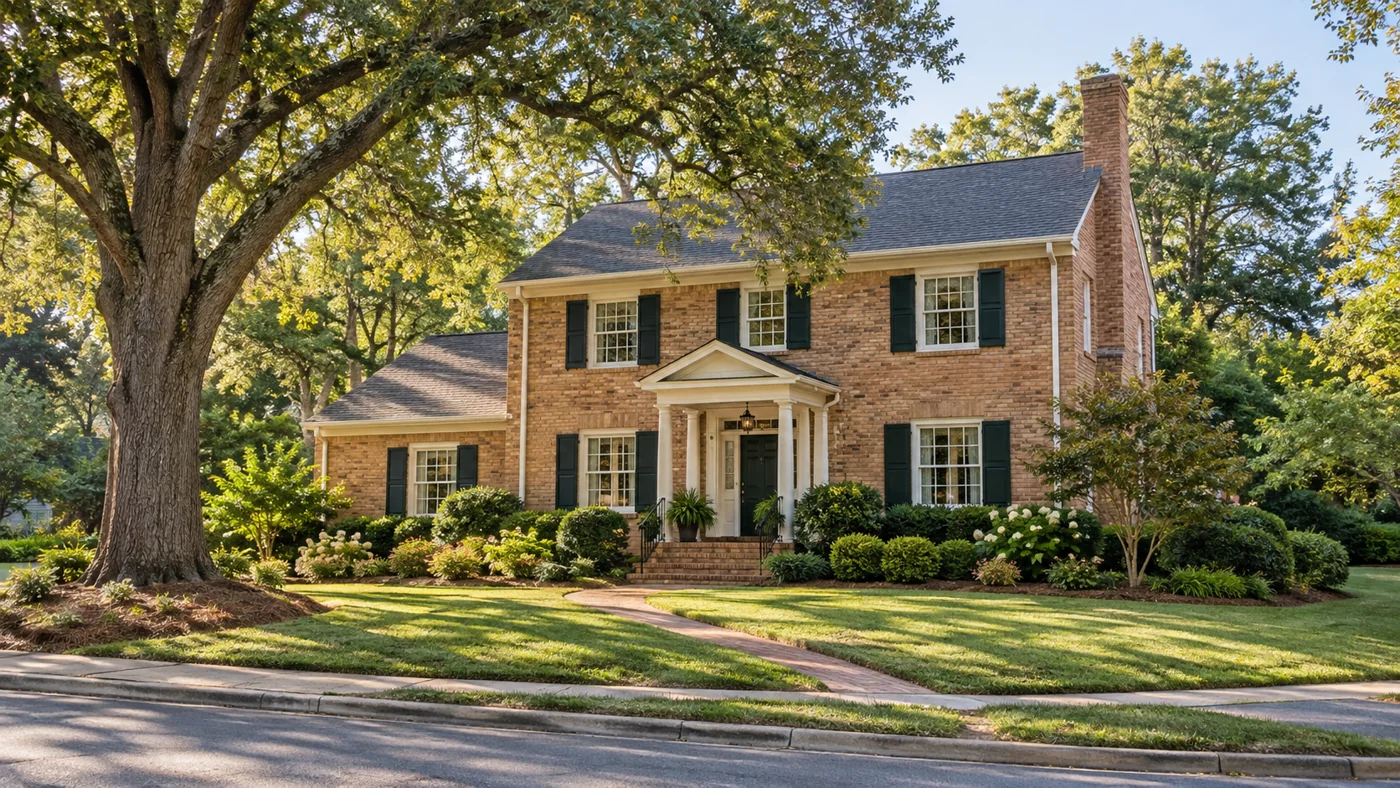
After a North Carolina homeowners nonrenewal, confirm the policy ending date, the stated reason, and whether any correction or review is available. Start replacement applications promptly, document the property accurately, and coordinate written evidence of new coverage before the old policy ends. Notice rules depend on the policy and applicable law.
A nonrenewal can feel personal, especially when you have maintained the home and paid premiums on time. It does not necessarily mean no insurer will consider the property. It does mean the next placement needs careful attention to timing, accurate information, and the reason the current insurer is withdrawing.
This guide focuses on practical decisions you can make now. It does not assign one notice deadline to every North Carolina policy. Admitted homeowners insurance, surplus lines coverage, lender-placed insurance, and other arrangements can involve different contracts and legal frameworks. Verify the rules that actually apply to your notice.
Read the notice before making changes
Locate the complete notice, envelope if available, policy declarations, and any earlier inspection correspondence. Write down the insurer’s name, policy number, notice date, ending date and time, reason, and contact information. Save the electronic version as well as a photograph or scan of mailed documents.
Distinguish nonrenewal from cancellation, a renewal offer with changed terms, and a request for repairs. Nonrenewal generally concerns the next policy term; cancellation concerns ending coverage during a term. A notice offering renewal with a higher deductible or exclusion presents a different decision from a notice that offers no renewal.
Ask the agent to explain unclear language promptly. If a document appears contradictory, request clarification from the insurer in writing. Do not calculate a deadline from memory or a general internet summary. Use the policy and notice while obtaining advice about the applicable requirements.
Find out what would change the underwriting decision
Ask whether the stated reason involves the individual home, a loss history issue, an inspection condition, an occupancy mismatch, or an insurer’s broader business decision. These situations call for different responses. Replacing a roof cannot necessarily reverse a company’s withdrawal from a category of business.
If the issue is correctable, ask what documentation the insurer will accept, the submission deadline, and who will decide whether the correction is sufficient. Photographs, paid invoices, permits, inspection reports, or contractor descriptions may help, depending on the issue. Request a clear explanation before paying for work solely to obtain reconsideration.
A review request is not a promise of continuation. Keep shopping while the review is pending unless the insurer confirms otherwise in writing. If you believe information is wrong, identify the specific error and provide supporting documents. A factual correction is more effective than an unsupported statement that the decision is unfair.
Build a timeline around the actual ending date
Work backward from the date and time coverage is scheduled to end. Allow for applications, requests for loss information, underwriting questions, inspections, lender review, payment arrangements, and issuance of written coverage evidence. Some steps require responses from other organizations, so start them together where practical.
Keep one task list showing the responsible person and next action. Record when documents were sent and when a response is expected. Follow up on unresolved items rather than assuming silence means approval. Tell each agent if a mortgage closing, storm exposure, vacancy, or inspection deadline makes timing especially important.
If the ending date is close, say that at the beginning of the conversation. Ask what can realistically be reviewed and what would prevent binding. A rushed application should still be accurate. Omitting a prior loss or misdescribing a rental use can create a more serious problem than an uncomfortable underwriting discussion.
Prepare a replacement application package
Gather the current declarations, nonrenewal notice, prior loss details, roof information, photographs, renovation records, and any inspection reports. Include the actual occupancy and expected changes. A coastal house used seasonally needs a different description from a year-round residence or a property rented frequently to short-term guests.
Explain repairs after earlier damage. Separate completed work from work merely scheduled or estimated. When possible, provide dates, invoices, and photographs that show the present condition. Ask the new agent which records are useful and how sensitive documents should be transmitted securely.
If you do not know an answer, identify it as unknown and seek a reliable record. Guessing at roof age, electrical updates, or prior claims can create avoidable inconsistencies. The goal is a clear account of the risk, including improvements that a simple application checkbox might not capture.
If the notice concerns a prior claim, add a brief loss chronology: what happened, what the insurer resolved, and what was repaired. Attach evidence of completed corrective work when available. Do not claim that repairs eliminate every possibility of recurrence. Instead, explain the specific change, such as replacing a failed component or correcting a drainage issue. That level of detail helps the new underwriter evaluate present conditions without relying on an incomplete impression from the notice alone.
Explore the available coverage paths
A replacement search may include admitted insurers, surplus lines insurers, and residual-market options that fit the property and applicant. Availability depends on underwriting, coverage needs, eligibility, and current market conditions. A decline from one insurer does not establish that every other market will decline.
North Carolina’s FAIR Plan and Coastal Property Insurance Pool should be evaluated using their current official eligibility and product information. They are not interchangeable labels, and a coastal wind arrangement should not be assumed to provide every part of a homeowners package. Ask how any proposed combination addresses wind, non-wind property losses, liability, and flood.
Surplus coverage can be another avenue for some difficult risks, with different policy terms and protections from admitted coverage. Review the North Carolina FAIR Plan and coastal pool guide and the admitted versus surplus comparison before deciding which proposal meets your needs.
Compare the replacement terms carefully
Do not assume a replacement policy recreates the old contract. Review dwelling and contents limits, settlement methods, loss of use, liability, deductibles, and all material endorsements. The condition that caused the nonrenewal may be accepted only with a specific limitation, repair requirement, or different deductible.
Ask about roof payment terms, water damage restrictions, and wind or hail coverage where relevant. For a coastal home, coordinate any separate wind and flood policies. For a mountain property, describe access, seasonal occupancy, and rental activity accurately. Geography alone is not a substitute for reviewing the actual property and wording.
Compare the total cost, including applicable charges and any separately purchased policies. Also ask about inspection conditions and cancellation refunds. A proposal that fits today’s budget may create an unaffordable retained loss or near-term repair obligation. A written comparison makes these tradeoffs visible before you commit.
Still looking for a workable option?
An older roof, a nonrenewal, or a difficult property does not tell the whole story. Share the details so your available options can be evaluated.
Standard-market options are reviewed first. A request is an inquiry, not an offer or confirmation of insurance. Coverage is subject to underwriting.Coordinate with the mortgage company
Send acceptable evidence of replacement coverage to the mortgage servicer through its stated process. Confirm the required mortgagee information, loan reference, effective date, and property details. Keep proof of delivery and follow up until the servicer acknowledges the document or identifies what is missing.
An escrow payment and insurance acceptance are separate issues. Ask who pays the initial premium, whether the existing insurer will issue a refund, and where that refund will go. Do not assume a servicer automatically knows about a policy placed through a new agent.
If the servicer warns about lender-placed coverage, respond promptly with the requested evidence and ask about any period it considers uninsured. Keep the warning and your response. See the lapsed and lender-placed coverage guide for a more detailed recordkeeping approach.
Ask for help with an unclear or disputed notice
Start with the insurer or agent and state the specific question: the reason, effective date, treatment of submitted repairs, or accuracy of underwriting information. Keep the request concise and attach the relevant documents. Ask for a written answer that identifies the policy provision or basis for the decision.
The North Carolina Department of Insurance is the appropriate state starting point for consumer assistance and complaint information. Ask which issues it can address for your particular insurer and coverage arrangement. A complaint does not by itself change an ending date or create replacement coverage.
For a substantial legal dispute, obtain advice from a qualified professional about the specific notice and available remedies. Do not rely on a general admitted-policy rule for a surplus policy without checking its scope. Continue practical replacement efforts while the dispute is reviewed.
Finish the transition and save the record
Before treating the problem as resolved, obtain appropriate written evidence that the new coverage is effective. Check the insured name, address, dates, limits, insurer, and lender information. Complete any required payment and application steps, and ask whether underwriting conditions remain outstanding.
When the full policy arrives, compare it with the accepted proposal and report discrepancies promptly. Save the declarations, endorsements, application, payment record, and coverage evidence together. Set reminders for inspections and repair deadlines. An unresolved post-bind condition can create a new problem after the initial relief of finding coverage.
Keep the nonrenewal notice and repair documentation for future applications. At the next renewal, review the property’s current condition and any improvements with the agent. The market available then may differ, but returning to another coverage arrangement is not guaranteed. Maintaining accurate records gives future underwriters better information.
A practical example of handling a roof-related notice
Hypothetical example: a homeowner receives a notice citing roof condition, while a replacement contractor cannot start until after the policy ends. The homeowner gathers the notice, current photographs, contractor proposal, and expected completion date. The agent asks the current insurer whether any extension or reconsideration is available and simultaneously seeks replacement options.
A new insurer might require completed work, offer different terms, or decline. The homeowner should not describe the future roof as already installed. If a temporary arrangement is offered, its coverage, cost, and obligations need their own review. The contractor’s scheduling estimate does not establish insurance acceptance.
The example illustrates a process, not a promised result. Accurate information allows each decision maker to evaluate the same facts. It also makes clear that arranging construction and arranging insurance are related but separate tasks, each requiring confirmation before the homeowner can consider the issue resolved.
Avoid common mistakes during a pressured search
Do not discard the original notice after forwarding it to an agent. Do not assume a general marketing statement means the insurer will accept your individual property. Do not stop pursuing alternatives because someone says a decision is “probably fine.” Ask what has actually been approved and what is still pending.
Be cautious about making major changes to deductibles or coverage solely to meet a price target. Ask how the choice affects a loss you could reasonably face and whether it satisfies the lender. A replacement that omits a critical peril may leave you with a different problem even if the mortgage account accepts the documents.
Finally, keep one accurate property summary across applications. Conflicting roof ages, occupancy descriptions, or claim dates can delay review. Correct an error as soon as you find it and ask whether an earlier quote needs revision. Clarity is particularly valuable when time is short.
Frequently asked questions
Does nonrenewal mean I am uninsurable?
No single nonrenewal establishes that. Different insurers evaluate different property characteristics and uses. Ask why the current insurer is leaving, document any improvements, and compare available alternatives. An offer still depends on underwriting and the terms the insurer is willing to provide.
How much notice must a North Carolina insurer give?
The answer depends on the type of policy, reason, insurer status, and applicable law. This guide does not assign a universal number. Have the actual notice and policy reviewed, especially for surplus coverage, before relying on a deadline or asserting a violation.
Will repairing the roof stop a nonrenewal?
It may help when roof condition is the specific underwriting concern, but it is not a guarantee. Ask the insurer what work and documentation it requires and whether reconsideration is available. Continue looking for replacement coverage until continuation is confirmed.
Should I wait for a complaint decision before shopping?
Waiting can leave too little time. Continue replacement efforts while the complaint or review is pending. Unless you receive appropriate confirmation otherwise, use the ending date stated in the notice to plan your coverage transition.
Can I accept a quote before all inspection questions are answered?
Ask what remains conditional and what happens if the inspection differs from the application. Binding may involve continuing obligations. Understand those conditions before proceeding and obtain the written evidence and policy documents applicable to the agreed coverage.
What should I keep after coverage is replaced?
Retain the old notice, new application, accepted quote, evidence of coverage, policy, endorsements, payment records, and lender acknowledgment. Add repair invoices and inspection responses. These records support renewal discussions and help resolve later questions about timing or terms.
A clearer next step for your home.
Bring your coverage questions, property details, and deadline. Start a conversation about the options that may fit your situation.
Standard-market options are reviewed first. A request is an inquiry, not an offer or confirmation of insurance. Coverage is subject to underwriting.Sources and further reading
Official resources consulted for this guide. Program eligibility and policy wording can change; confirm the current requirements for your property.
Last source check: 2026-10-30. This guide is general information, not a coverage determination. Read our editorial standards.