In this guide
- Understand the actual reason for the difficulty
- Create one accurate loss-history summary
- Document repairs and remaining work
- Explain risk improvements without overstating them
- Compare available markets and policy forms
- Look closely at restrictions related to past losses
- Keep the current claim and new application separate
- Protect the replacement timeline
- Use a written comparison to make the decision
- Prepare for the next renewal
- Frequently asked questions
- Sources and further reading
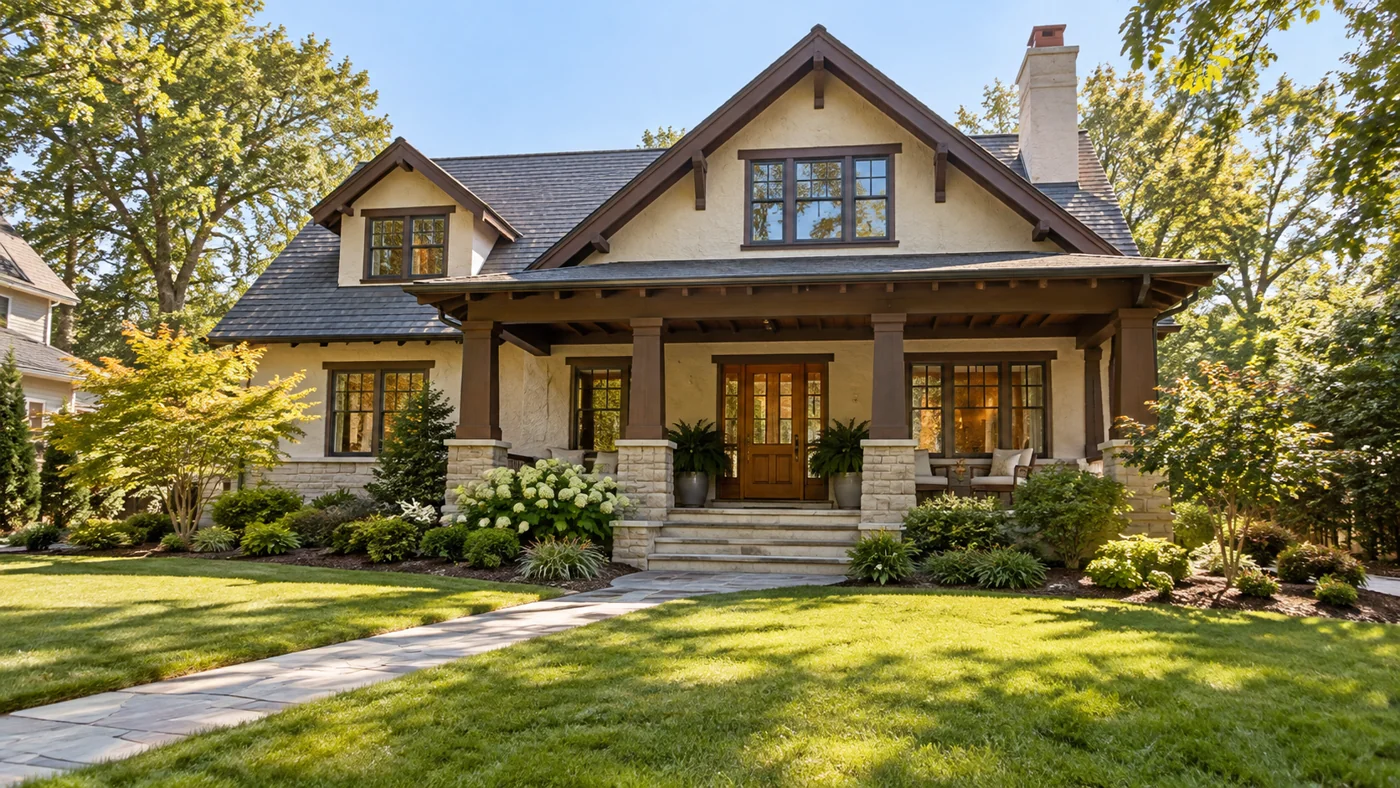
Prior claims can make home insurance harder to place, but the details matter. For a North Carolina property, organize the loss history, repair evidence and current condition before seeking alternatives. Compare any offered restrictions carefully, and keep the existing coverage timeline visible while the agent reviews available admitted or surplus options.
A claim is often followed by more work: repairs, contractor decisions, paperwork and, sometimes, a difficult renewal. Being asked to explain the same event repeatedly can be exhausting. A concise, accurate packet helps an agent present what happened and what has changed, without making promises about an insurer’s decision.
This guide addresses shopping for a future policy after a loss. It does not decide whether an existing claim should be paid or replace the duties in that policy. Those are separate matters, with their own documents, deadlines and sources of assistance.
Understand the actual reason for the difficulty
Start with the insurer’s written notice or the explanation accompanying a declined application. Is the concern the number of claims, a particular cause of loss, unrepaired damage, property condition, location or a combination? A broad statement that the home is high risk gives little direction. Ask for the available explanation and preserve the original document.
Distinguish a current company’s decision from the rules of every other insurer. North Carolina DOI’s homeowners FAQ explains that company underwriting guidelines can differ. That does not mean another offer is assured. It means the search should use the property’s actual facts rather than assuming one decision describes the whole market.
Also distinguish cancellation from nonrenewal, and note the effective date on the notice. Do not infer the required notice period from a general article or assume admitted-policy rules automatically apply to surplus coverage. Give the full policy and notice to the agent or appropriate adviser if the timing or basis is disputed.
Create one accurate loss-history summary
List each requested loss with its date, cause, affected property, claim status and the amount shown in the available records. Distinguish paid amounts from estimates and reserves. If a claim remains open, say so. If it closed without payment, describe that accurately rather than omitting it when the application asks about claims or losses.
A simple chronology is usually more useful than a long emotional account. State what occurred, how the damage was addressed and which documents support the explanation. Keep allegations about contractors, neighbors or insurers separate from established facts. If the cause remains disputed, identify the dispute without presenting an uncertain conclusion as settled.
Ask what loss-history documentation the proposed insurer requires and how many years it requests. Different applications may ask different questions. Answer the question actually presented, including losses at other properties when requested. Never assume the same lookback period or definition applies to every carrier. Save a copy of the submitted answers for your records.
Check the records for factual errors before submitting them repeatedly. If a document assigns the wrong property, date or cause to a loss, identify the specific discrepancy and ask the source how it can be corrected. Keep the original and the correction together rather than quietly rewriting the history yourself. An underwriting discussion is easier when the agent can distinguish verified facts, a documented correction and an unresolved disagreement. Accuracy is useful even when the correct history still presents an underwriting challenge.
Document repairs and remaining work
Provide paid invoices, permits, inspection reports and clear photographs of completed repairs when available. Show both the damaged area and the work that addressed it. If a water claim led to plumbing replacement, for example, distinguish replacing a failed component from repairing the resulting walls and flooring. Both facts may matter to an underwriter.
Disclose incomplete work. Explain the scope, contractor schedule and measures in place to prevent additional damage. A quote may be conditional on repairs before binding or within a specified period. Ask who confirms completion, what evidence is required and what happens if the timetable changes. Do not assume a repair promise is equivalent to a completed repair.
Keep claim settlement and property condition separate. A claim can be closed while some work remains, or the property can be repaired while payment issues continue. An insurer considering a new policy needs an accurate picture of the present condition. The existing insurer separately evaluates the old claim under its own contract.
Explain risk improvements without overstating them
A useful application shows how the circumstances have changed. Examples could include replacing deteriorated plumbing, addressing a roof defect, improving drainage or removing a documented hazard. Describe completed work precisely and include supporting records. Avoid saying a future loss is impossible simply because an improvement was made.
Ask whether additional inspections or protective devices would be relevant to the specific program before spending money solely to satisfy a presumed requirement. A recommendation that makes sense for one insurer may not produce the same underwriting result with another. Improvements can still reduce practical exposure even when no particular premium credit is available.
The DOI loss-prevention guidance encourages steps to reduce damage and records of mitigation after a loss. Maintain those records in a durable folder. They help communicate the difference between an unresolved recurring problem and a past event followed by documented corrective work.
Compare available markets and policy forms
An agent may review another admitted insurer, an appropriate residual-market option or surplus coverage, depending on the property and placement requirements. These are not interchangeable products. Ask which routes were considered, why an option fits and what the offered form includes. Do not assume the label identifies the breadth of coverage.
A surplus quote deserves careful review of the insurer’s legal name, regulatory status, financial information and applicable disclosures. The surplus-insurer review guide explains those questions. Ask separately about coverage terms. A financially strong insurer can still issue a policy with exclusions that do not meet your needs.
Residual-market programs have their own eligibility and coverage boundaries. In North Carolina, the FAIR Plan and Coastal Property Insurance Pool guide helps distinguish the programs. A previous claim does not establish automatic eligibility, and an available property policy should not be assumed to include every liability, wind or flood feature a homeowner needs.
Still looking for a workable option?
An older roof, a nonrenewal, or a difficult property does not tell the whole story. Share the details so your available options can be evaluated.
Standard-market options are reviewed first. A request is an inquiry, not an offer or confirmation of insurance. Coverage is subject to underwriting.Keep the current claim and new application separate
Report and pursue an existing loss with the insurer that may cover the relevant event, following the policy requirements. A new application does not transfer that old claim to the next insurer. New coverage should not be assumed to pay for damage that predates its effective date, and known damage must be disclosed accurately.
Tell the prospective insurer about an open claim when requested. Explain whether repairs are complete and whether the property can be occupied safely. If the home is vacant during restoration or undergoing substantial work, disclose that use. A policy for ordinary occupancy may not fit the temporary situation.
Keep the records for the two processes distinct: claim correspondence in one folder, quote and application records in another. This makes it easier to answer the right question with the right document. Do not sign a new application that inaccurately says all damage is repaired merely because the repair money has been approved or received.
Protect the replacement timeline
Identify the last date of existing coverage, any closing deadline and the proposed start date of replacement coverage. Share those dates early. If an offer depends on inspection, repairs or additional documentation, allow time for the insurer to review them. A last-minute submission may leave fewer practical choices even when the property is otherwise acceptable.
Obtain written binding confirmation before treating a replacement policy as active. Verify the insured name, property, insurer, effective date and required payment. Do not cancel existing protection merely because a quote was delivered. If the current policy will end regardless, keep working with the agent and lender on the actual timeline rather than assuming an extension.
For financed homes, send the proposed evidence and relevant coverage restrictions to the lender for review. Lender acceptance and an insurer’s willingness to issue are separate questions. The mortgage and escrow guide provides a checklist for avoiding misunderstandings about insurance documents and payment routing.
Use a written comparison to make the decision
Hypothetical example: two insurers consider a home after a repaired water loss. One offers a lower premium with a restrictive water-damage limit. The other offers different water terms and a larger deductible. There is no reliable winner based only on the premium. Compare the wording, potential retained cost and the household’s ability to absorb that cost.
Put dwelling valuation, roof settlement, water coverage, wind, liability and temporary living expenses on separate rows. Add the total premium, taxes, fees and financing cost, if applicable. Ask how cancellation refunds are calculated and which charges are nonrefundable. Review the complete obligation rather than a monthly payment in isolation.
Save the accepted quote and compare it with the issued policy. If an endorsement differs or a promised revision is absent, ask promptly for correction or clarification. A conversation about intended coverage is not a substitute for the insurer’s actual contract. Keep answers in writing so a future renewal review starts with a clear record.
Prepare for the next renewal
Continue documenting maintenance and improvements throughout the year. Update the agent when occupancy, ownership or major property features change. Before renewal, review the new declarations and endorsements for changes in deductibles, settlement or exclusions. Do not assume automatic payment means the terms stayed the same.
Ask when another market review would be useful based on the specific insurer’s requirements and your updated loss history. There is no universal promise that a claim stops affecting every company after a fixed period. A well-maintained property and accurate records provide a stronger basis for the conversation than waiting for an assumed reset date.
Frequently asked questions
Does one claim make a North Carolina home uninsurable?
Not automatically. Insurers can evaluate the cause, amount, repair status, property condition and other factors differently. A complete submission helps an agent identify available routes. It cannot guarantee that a particular insurer will accept the property or offer unrestricted coverage.
Should I leave a zero-payment claim off the application?
Answer the application accurately. Some questions ask about claims, others about losses, and the wording may include events without payment. If uncertain, disclose the facts and ask how to record them. Omitting requested history can create problems beyond the initial underwriting decision.
Can a new policy cover damage from my previous claim?
Do not assume it can. The old event and damage belong in the appropriate existing claim process, subject to that policy. Disclose known damage and open claims to the prospective insurer as requested. New coverage is not a method of retroactively insuring an existing loss.
What evidence best shows that the problem was fixed?
Use specific records: invoices, permits where applicable, inspection findings, photographs and a description of what was repaired or replaced. Explain remaining work honestly. A statement that the claim is closed does not, by itself, prove the building’s condition or completion of every repair.
Will a surplus policy always cover more after claims?
No. Surplus insurers use different forms and underwriting approaches, so an offer can be broader in one respect and more restricted in another. Compare the actual exclusions, limits, deductibles and settlement terms, along with the insurer’s status and applicable disclosures.
When should I start shopping after receiving a nonrenewal?
Start promptly after reviewing the notice and effective date. Gathering repair evidence, reviewing markets and satisfying conditions can take time. Keep existing coverage in place while available, obtain written confirmation of replacement binding and coordinate any lender review before relying on the new policy.
A clearer next step for your home.
Bring your coverage questions, property details, and deadline. Start a conversation about the options that may fit your situation.
Standard-market options are reviewed first. A request is an inquiry, not an offer or confirmation of insurance. Coverage is subject to underwriting.Sources and further reading
Official resources consulted for this guide. Program eligibility and policy wording can change; confirm the current requirements for your property.
- NC DOI: Homeowners Insurance FAQs
- NC DOI: Loss Prevention and Aftermath
- NC DOI: Homeowners Consumer Tips
- NC DOI: Basic Homeowners Insurance
Last source check: 2026-10-30. This guide is general information, not a coverage determination. Read our editorial standards.