In this guide
- Explain what “second home” means for this property
- Set a rebuilding limit that reflects the house itself
- List the belongings that remain when you leave
- Understand conditions while nobody is there
- Coordinate coastal wind coverage before comparing prices
- Evaluate water and ground-related risks independently
- Review liability at the second location
- Compare options with the same assumptions
- Handle purchase, renovation and retirement transitions
- Resolve shared ownership and family use
- Keep a practical annual review file
- Frequently asked questions
- Sources and further reading
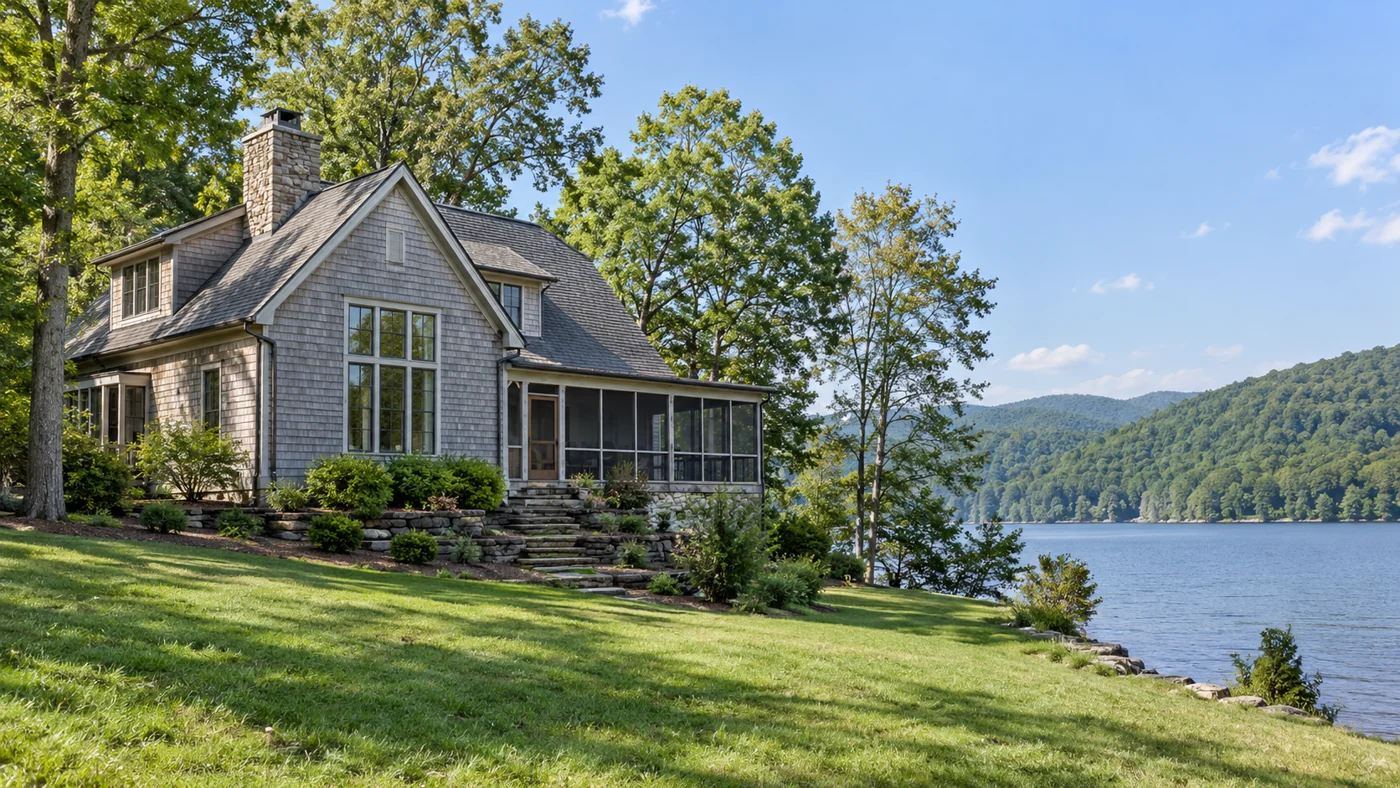
Insuring a North Carolina second home starts with how often it is occupied, whether it is rented, and the property’s condition and location. The policy should address the building, belongings and liability, plus relevant wind, flood and water-loss concerns. A primary-home policy does not automatically extend full protection to another house.
A second home can be a place to recharge, a future retirement home, or a property your family visits a few times a year. Those uses create different insurance questions from a residence where someone is present every day. The house may be quiet while the risks continue.
If standard insurers have declined it, take the process one step at a time. An accurate description of occupancy, maintenance and past repairs can help an agent evaluate suitable admitted and, when appropriate, surplus options. The objective is a workable policy with clearly understood conditions.
Explain what “second home” means for this property
Tell the agent how many weeks you stay, whether visits occur throughout the year, and who checks the home when you are away. Explain whether relatives use it, a caretaker lives there, or paying guests are ever allowed. These distinctions can affect the type of policy and the insurer’s willingness to offer coverage.
Do not rely on a tax classification or the name used in a mortgage application to answer the insurance question. The insurer needs the actual use. A property purchased as a future retirement residence may initially sit empty during renovation, then become a seasonal home, and eventually become a primary residence. Each stage deserves review.
NC DOI’s dwelling-policy guidance identifies vacation, seasonal and secondary homes as possible uses for dwelling coverage. Whether a specific homeowners or dwelling form fits depends on its terms and the insurer’s underwriting, rather than the general label alone.
Set a rebuilding limit that reflects the house itself
Estimate reconstruction cost separately from the value of the land, views or proximity to water. A property’s sale price can reflect factors that do not need to be rebuilt, while a modestly priced mountain home may have difficult access and expensive construction details. The insurance estimate should explain the structure being protected.
Include decks, enclosed porches, garages, detached buildings and recent additions. Identify features such as custom windows, stonework, elevated foundations or unusual roof materials. Ask whether ordinance-or-law coverage is included and what limit applies if a covered repair must meet current requirements.
Review the estimate after meaningful improvements. An automatic inflation adjustment does not necessarily capture a newly finished lower level or a major extension. Keep invoices and updated photographs. Ask whether the policy has replacement-cost conditions, an insurance-to-value requirement, or a separate roof settlement schedule before treating its dwelling limit as a complete picture.
List the belongings that remain when you leave
Second homes often contain a mix of ordinary furnishings, outdoor equipment and items moved between residences. Make an inventory of furniture, appliances, tools, electronics and recreational property. Distinguish what stays permanently from what travels with you. Review how each policy handles property away from its listed premises.
Do not assume the personal-property limit on your primary residence supplies enough coverage for everything at the second house. Limits and exclusions may differ, and duplicate coverage does not automatically mean duplicate payment. Ask the agent to identify which policy is expected to respond.
The NC DOI optional-coverage guide explains that endorsements can change settlement terms or address particular property. Discuss valuable items, watercraft and backup-related water damage individually. A standard contents percentage or a broad marketing description should not replace a review of the things you actually own.
Understand conditions while nobody is there
Ask how the insurer defines vacancy and unoccupancy and whether either affects the proposed policy. A furnished house can still be unused for an extended period. There is no single practical rule that lets every owner assume a particular number of unattended days is acceptable under every contract.
Discuss freezing, heat maintenance, water shutoff, inspection frequency and any required protective devices. If you use monitoring, describe the system accurately and decide who responds to an alert. An alarm that nobody can act on may not prevent a small leak from becoming a major loss.
Arrange a check after severe weather when it can be done safely. Document the home’s condition before leaving, maintain emergency contacts and keep accessible copies of insurance information. These steps support maintenance and claims documentation. They do not remove a policy exclusion or substitute for a condition requiring particular precautions.
Coordinate coastal wind coverage before comparing prices
A coastal second home may have wind included in the principal property policy or addressed separately. Identify every policy involved and ask whether their limits, effective dates and insured parties align. Pay close attention to percentage deductibles, their calculation base and the event that activates them.
The North Carolina Department of Insurance states that NCIUA wind-and-hail eligibility requires an active underlying policy from an admitted North Carolina insurer that excludes wind. A proposed surplus base policy should not be assumed compatible with that wind-only arrangement. Get the exact structure checked before replacing existing coverage.
Convert percentage deductibles into dollars using the applicable policy limit. A hypothetical two-percent deductible applied to a $500,000 dwelling limit is $10,000. The arithmetic is straightforward; deciding whether that is the correct percentage, base and trigger requires the actual policy. Keep separate flood and ordinary property deductibles in the comparison too.
Evaluate water and ground-related risks independently
Flood protection is a separate review from homeowners coverage. NC DOI explains that a home outside a designated floodplain can still flood. Consider the site’s drainage, nearby streams, lower enclosures and past water history without treating any single map or seller statement as proof of safety.
Compare building and contents limits, waiting periods, deductibles and exclusions under the specific flood proposal. Ask about property below elevated floors and whether temporary housing is covered; do not assume benefits match the main home policy. A lender’s requirement is a minimum lending condition, not a complete recommendation for your household.
Mountain owners should also ask about excluded earth movement, including landslide-related situations. Water entering after a storm can involve different causes, and a flood policy does not automatically cover every kind of moving earth. Describe the concern to the agent and request an explanation grounded in the proposed forms rather than an informal “storm damage” label.
Still looking for a workable option?
An older roof, a nonrenewal, or a difficult property does not tell the whole story. Share the details so your available options can be evaluated.
Standard-market options are reviewed first. A request is an inquiry, not an offer or confirmation of insurance. Coverage is subject to underwriting.Review liability at the second location
Ask where premises liability for this home is insured and whether the address is correctly listed. A dwelling policy may not include liability automatically, and a primary-home policy may not cover every activity at another residence. Confirm the arrangement instead of assuming that one household means one unlimited liability package.
Disclose docks, swimming pools, boats, guest cottages, domestic employees, or business activity. Explain who owns the property if it is held in a trust or LLC. The policy should identify insured parties in a way consistent with the actual ownership and intended coverage.
If you carry an umbrella, verify that this location and its underlying policy satisfy the umbrella requirements. Ask about rental use before offering the house to paying guests. The separate short-term rental guide covers the additional questions that arise when a personal retreat becomes an income-producing property.
Compare options with the same assumptions
| Decision | Information to compare |
|---|---|
| Use | Seasonal visits, year-round use, family stays and any rental activity. |
| Building | Reconstruction estimate, settlement terms and roof restrictions. |
| Water | Sudden leaks, backup, freezing and separate flood protection. |
| Wind | Included or separate coverage and dollar impact of deductibles. |
| Liability | Insured parties, premises, amenities and umbrella compatibility. |
A lower premium may reflect less coverage, a larger deductible or a different settlement method. Request the endorsement list and review meaningful exclusions before making the final comparison. Also ask about inspection requirements, payment schedule, fees and cancellation terms.
If a surplus option is proposed, ask why it fits the property and how its protections differ from admitted coverage. Do not assume that “specialty” means broader, narrower, safer or cheaper in every situation. The insurer and the contract both deserve evaluation.
Handle purchase, renovation and retirement transitions
Arrange coverage around the actual closing date and possession arrangements. A lender may need evidence before funding, while the policy must accurately describe the condition and occupancy at inception. Tell the agent if utilities are off, repairs are unfinished or the home will be empty after closing.
Renovation is a distinct stage. Roof removal, structural work and prolonged vacancy may require different insurance from a completed vacation home. Discuss the project before work begins, including the contractor, budget, duration and whether anyone remains in residence. Read vacancy and renovation guidance for that review.
When you move in permanently, notify the agent and reassess policy options, contents limits and liability. The reverse change matters too: moving out of a primary home does not automatically make its existing policy appropriate for seasonal visits. Keep the insurance description aligned with how you live.
Keep a practical annual review file
Keep current declarations, full endorsements, an inventory, maintenance records and recent exterior photographs in one secure place. Record the next renewal date and any inspection obligations. If coverage becomes difficult, having this information ready makes it easier to explain the property without reconstructing years of changes from memory.
At renewal, review roof condition, system updates, new structures, changes in use and the affordability of deductibles. If an insurer requests repairs, ask for the exact requirement, deadline and acceptable evidence. A contractor’s inspection may help clarify condition, but do not promise work or insurance acceptance that has not been confirmed.
If you receive a nonrenewal notice, preserve it and begin reviewing alternatives early. Continue existing coverage until replacement is confirmed. If the property is mortgaged, communicate the new evidence to the lender and check that its records were updated. Careful administration is particularly valuable when several policies protect the same home.
Frequently asked questions
Is second-home insurance the same as primary-home insurance?
Not necessarily. Occupancy, time away, rental use and property characteristics can affect the form and eligibility. Give the insurer the actual use pattern and review water, theft, liability and vacancy-related provisions in the proposed contract.
Does my primary policy cover the other house?
Do not assume it provides full building, contents or premises liability coverage at another address. Some protections may extend subject to conditions, while the second house needs its own coverage. Ask the agent to map which policy covers each exposure.
Can I rent the house for a few weekends?
Tell the insurer before you do. Even occasional paid stays may require approval or different coverage. Describe booking channels, frequency and amenities. A label such as vacation home is not proof that short-term rental use is permitted.
Do I need flood insurance away from the coast?
Consider the risk separately even inland. NC DOI warns that property outside a designated floodplain can still flood. Review the location, policy options, lender requirements and what loss you could absorb rather than assuming distance from the ocean resolves the question.
Can surplus coverage help with an older second home?
It may be an option when suitable admitted coverage is unavailable and the placement meets applicable requirements. The result depends on the condition, losses, use and available insurers. Review forms, exclusions and total costs before deciding.
Should I shut off the water when I leave?
Discuss the home’s systems with a qualified professional and review the insurer’s requirements. The right procedure depends on the property, heating and plumbing. Do not assume one precaution satisfies every freezing, inspection or maintenance condition in a policy.
A clearer next step for your home.
Bring your coverage questions, property details, and deadline. Start a conversation about the options that may fit your situation.
Standard-market options are reviewed first. A request is an inquiry, not an offer or confirmation of insurance. Coverage is subject to underwriting.Sources and further reading
Official resources consulted for this guide. Program eligibility and policy wording can change; confirm the current requirements for your property.
Last source check: 2026-10-30. This guide is general information, not a coverage determination. Read our editorial standards.